Lawn Turned Into Low-Maintenance Parking Area With Road Base
A lot of homeowners are in the same boat - not enough parking, and a patch of lawn on the side of the house that doesn't really get used for anything. Mowing it is a chore. It doesn't add anything. And every time someone comes over, somebody's parking in the grass anyway. This homeowner decided to do something about it.
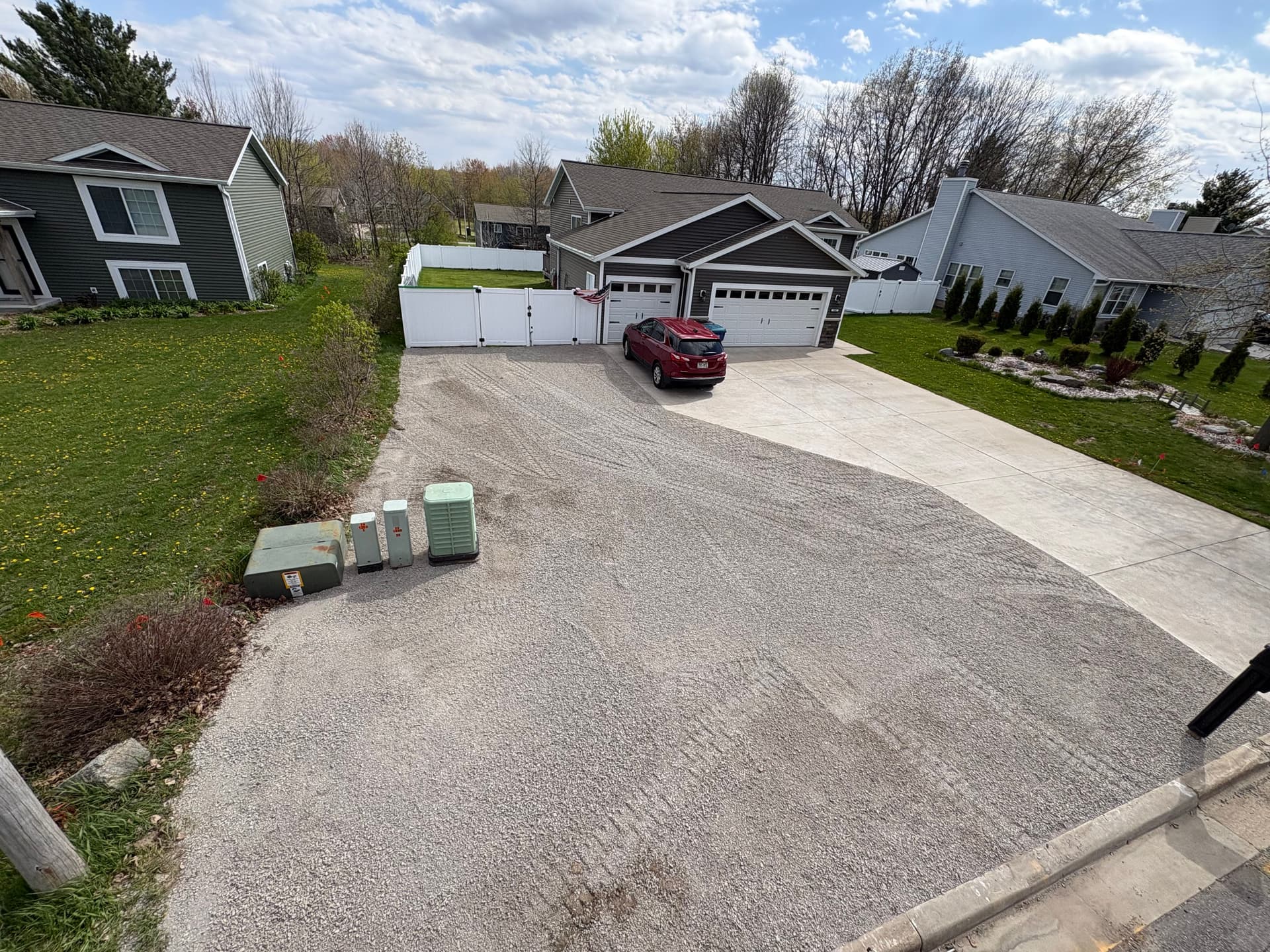
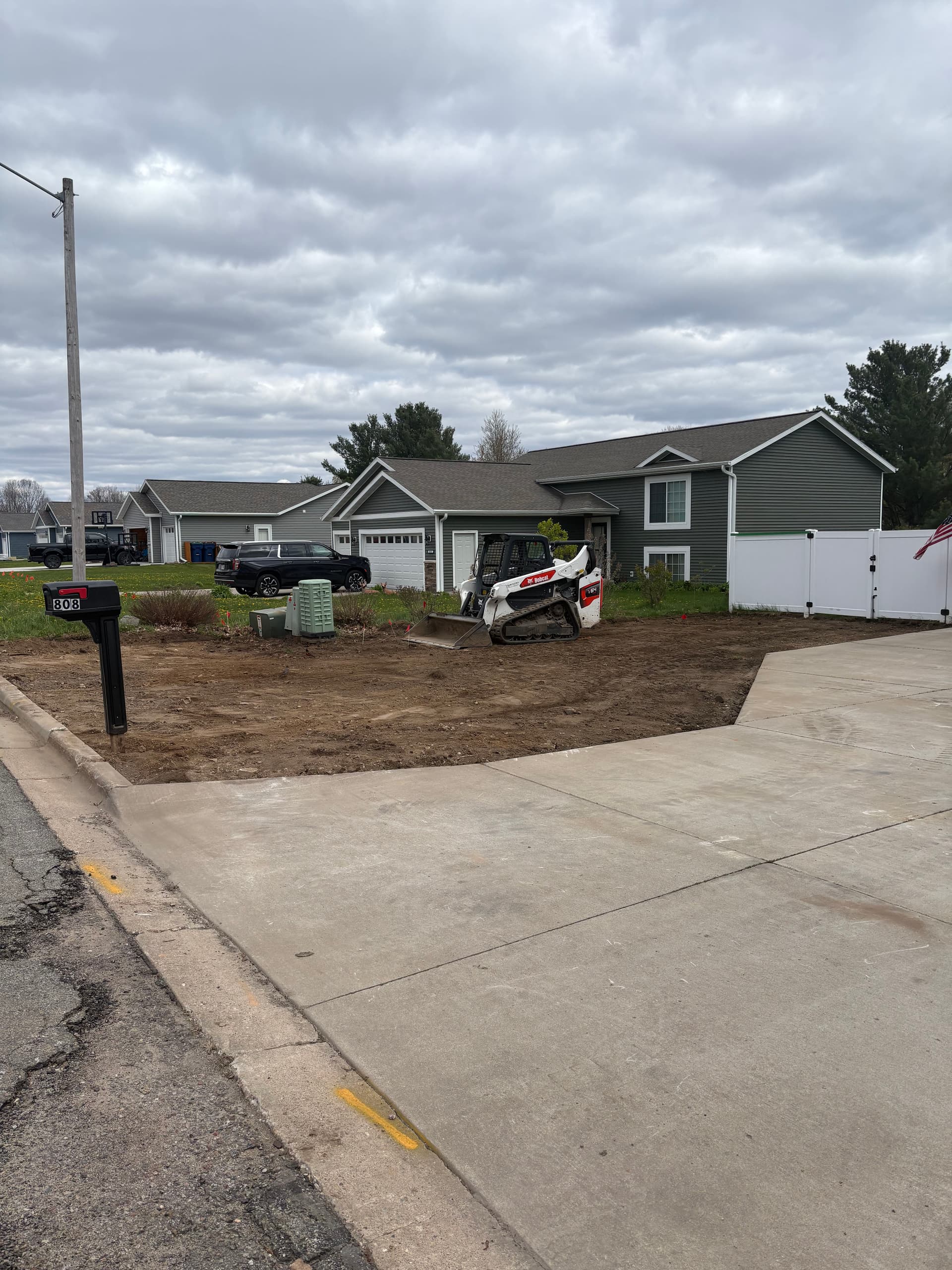
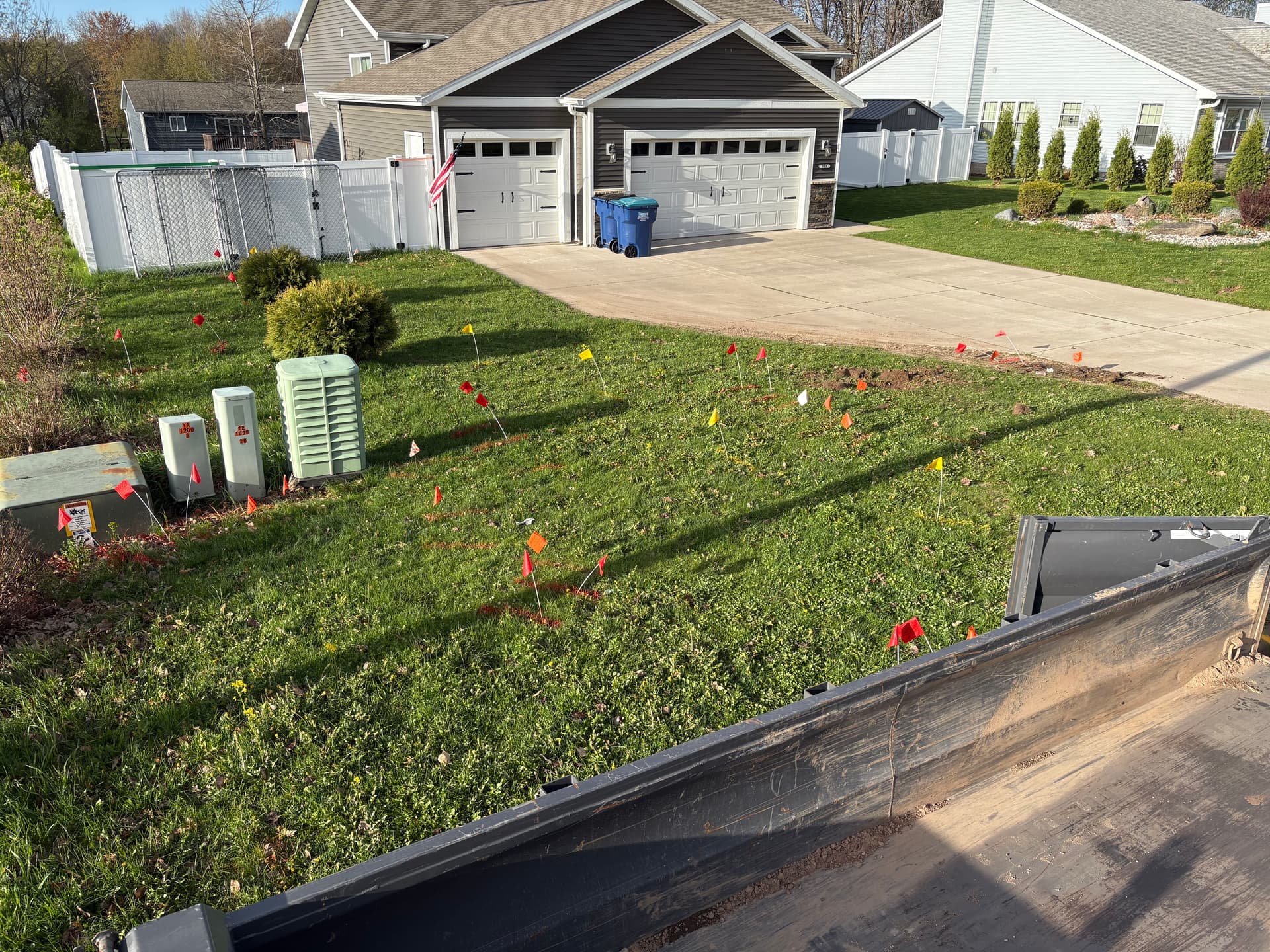
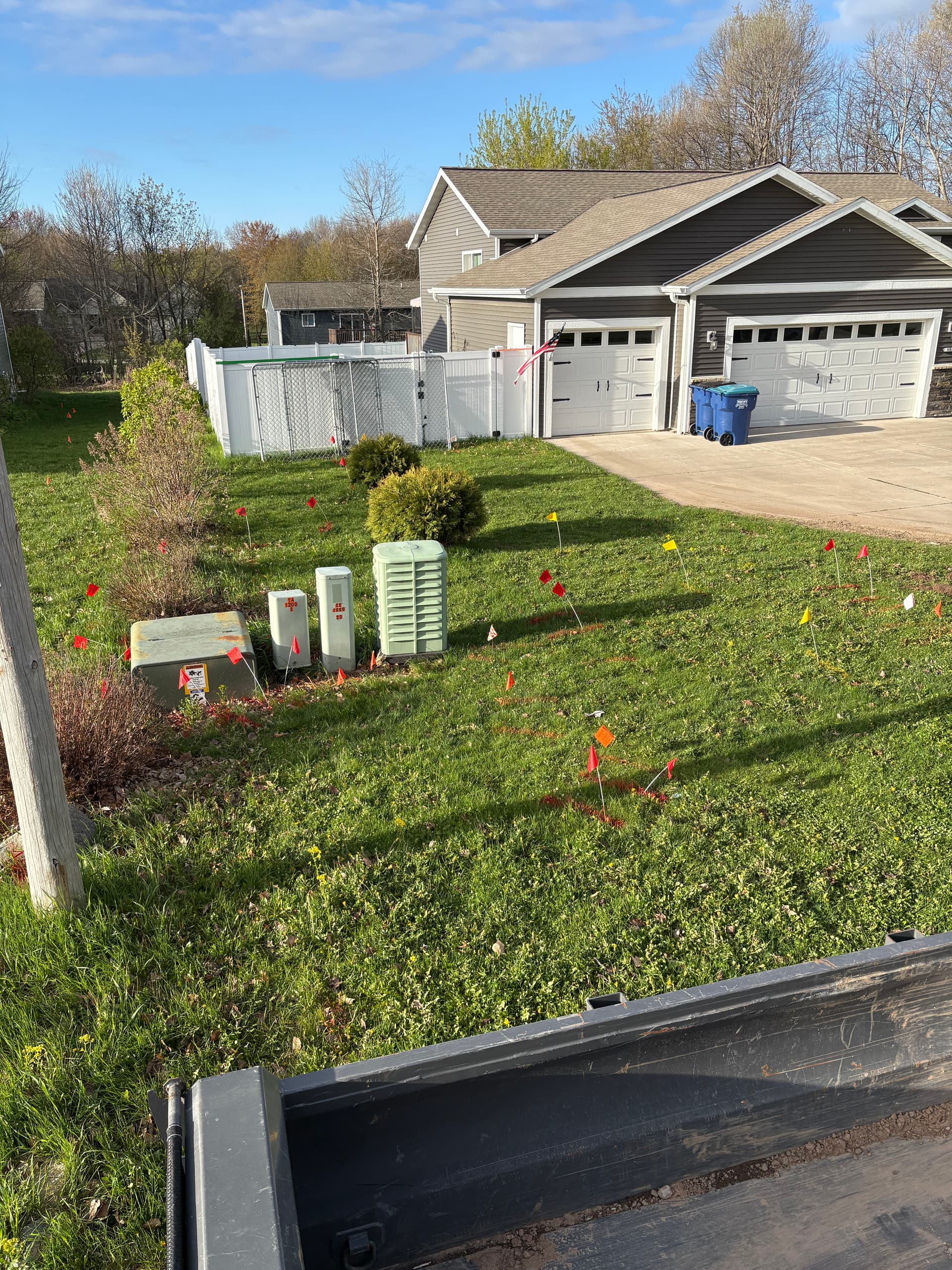
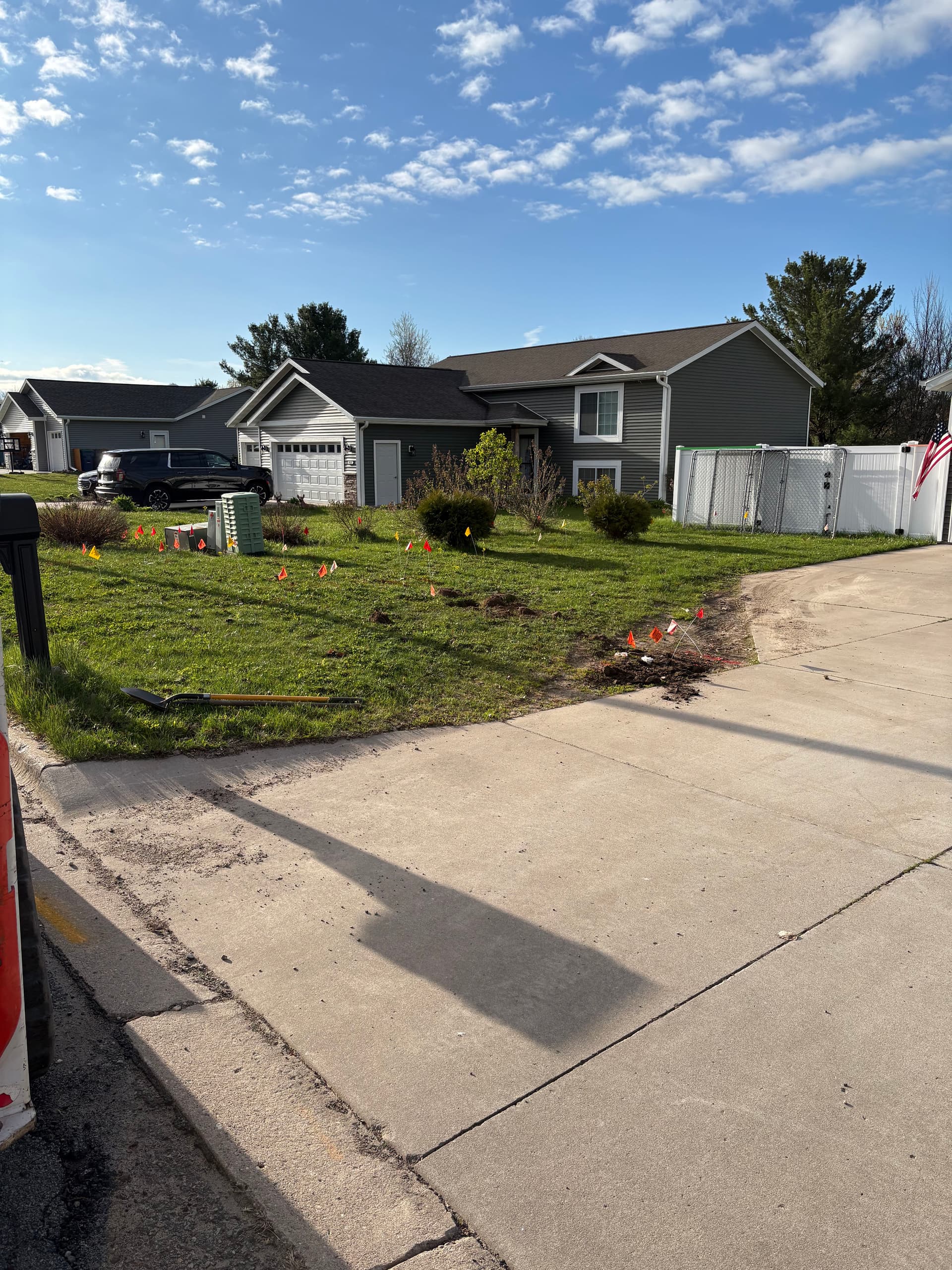
Here's what we were working with: a side yard running alongside an existing concrete driveway, full of grass, utility boxes, and locator flags marking underground lines. That's exactly why the planning stage matters. Before a single piece of equipment touches the ground, we make sure every line is identified and accounted for. The skid steer went in once we had a clear picture of the area, stripping out the grass and rough-grading the soil down to a clean, level base.
From there, we laid down a weed barrier before bringing in the road base. That step is easy to skip, but it makes a real difference long-term. The barrier sits between the soil and the gravel, cutting off the light and conditions that weeds need to push through. You end up with a surface that stays cleaner and requires a lot less upkeep year after year.
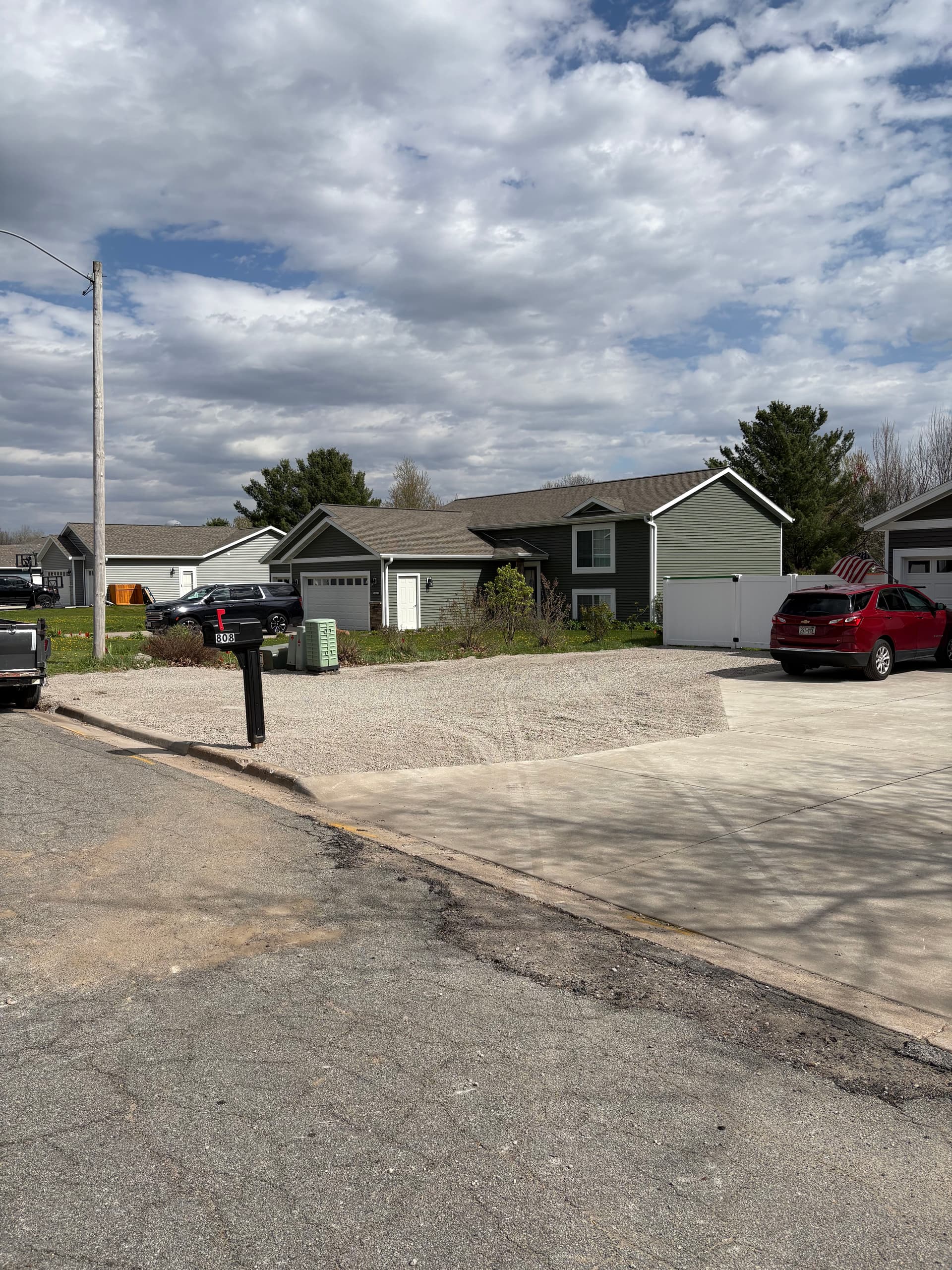
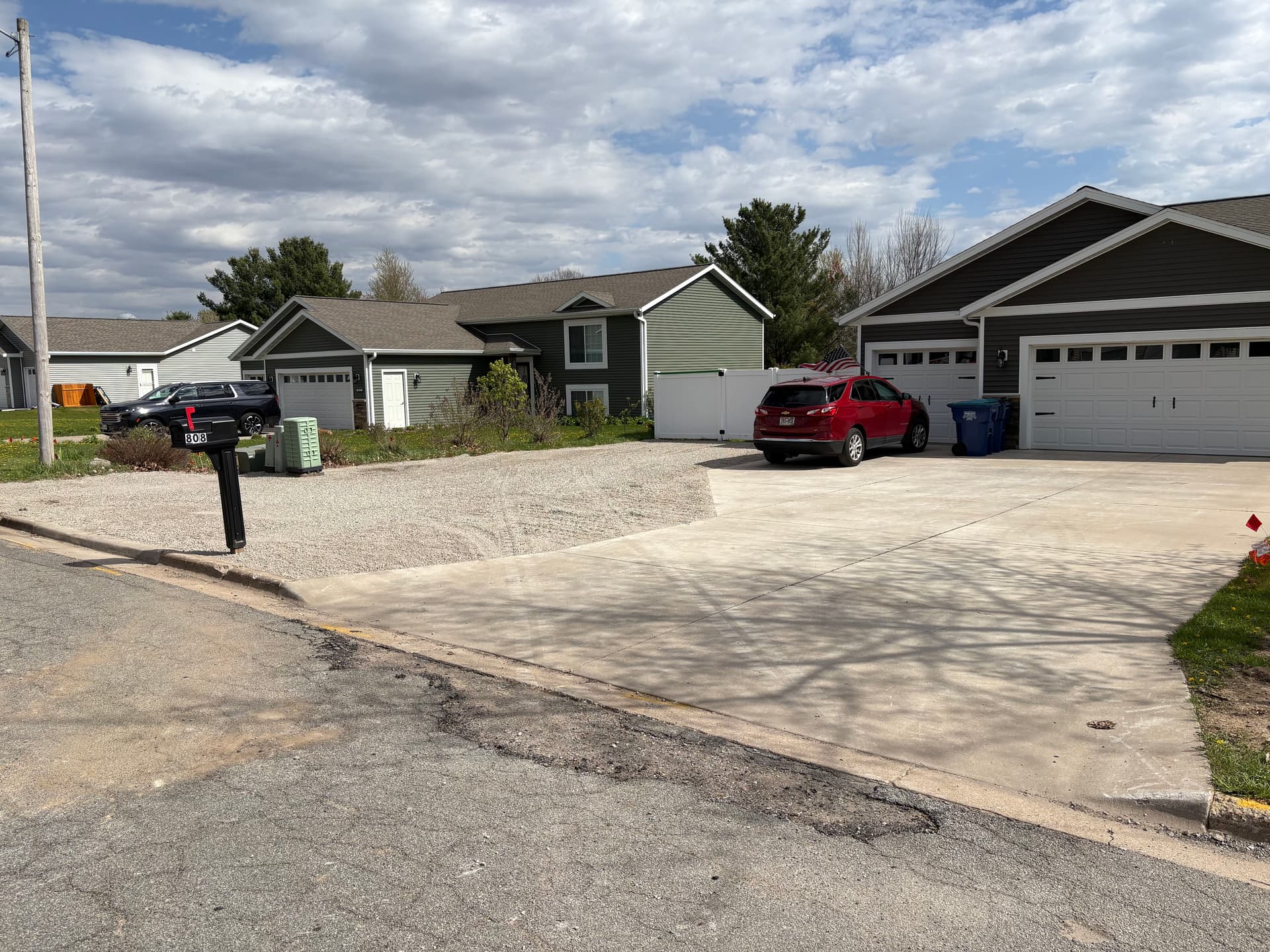
The road base went in on top - compacted, even, and tied right into the edge of the existing concrete. What used to be a narrow single-car setup now has room to comfortably fit multiple vehicles without anyone pulling into the yard. The whole thing looks intentional and sharp from the street, which is a bonus on top of the practical upgrade.
This kind of work sits right at the intersection of dirt work and driveway installation. It's not a complicated job when it's done right, but cutting corners on the base prep or skipping the weed barrier will cost you down the road. We do it the right way so the results actually hold up.