5-Inch Concrete Patio Poured to Handle a Hot Tub Setup
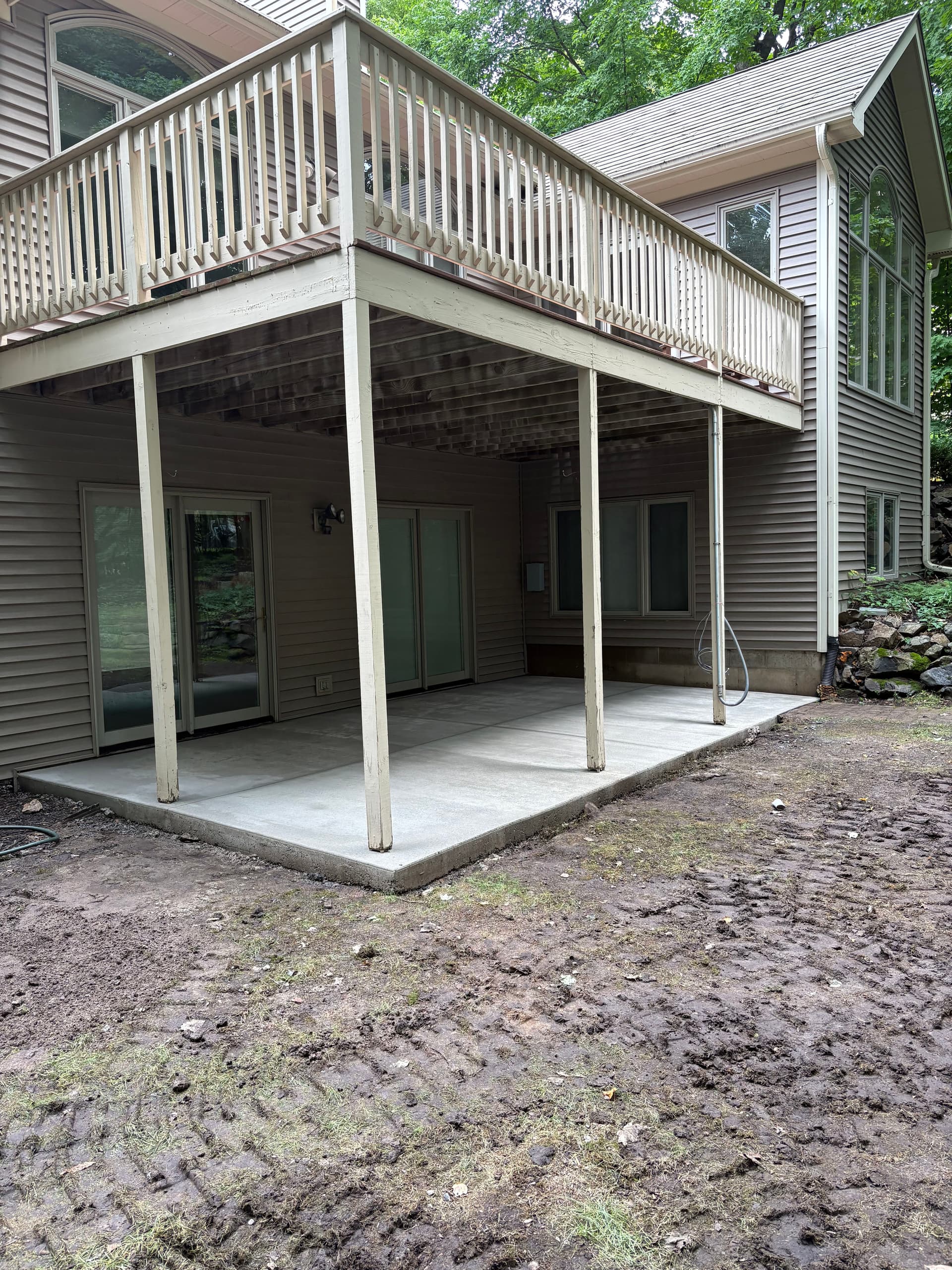
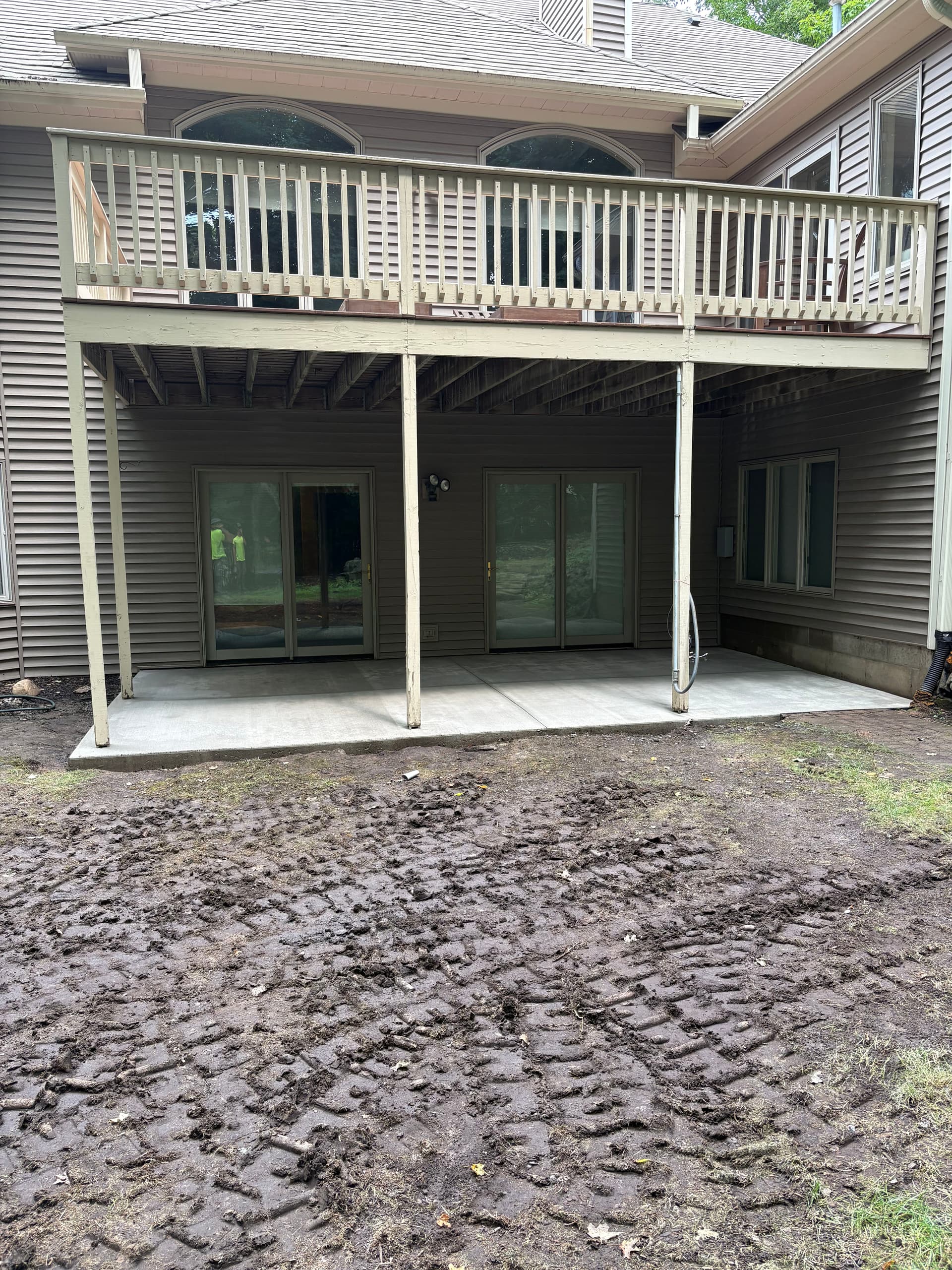
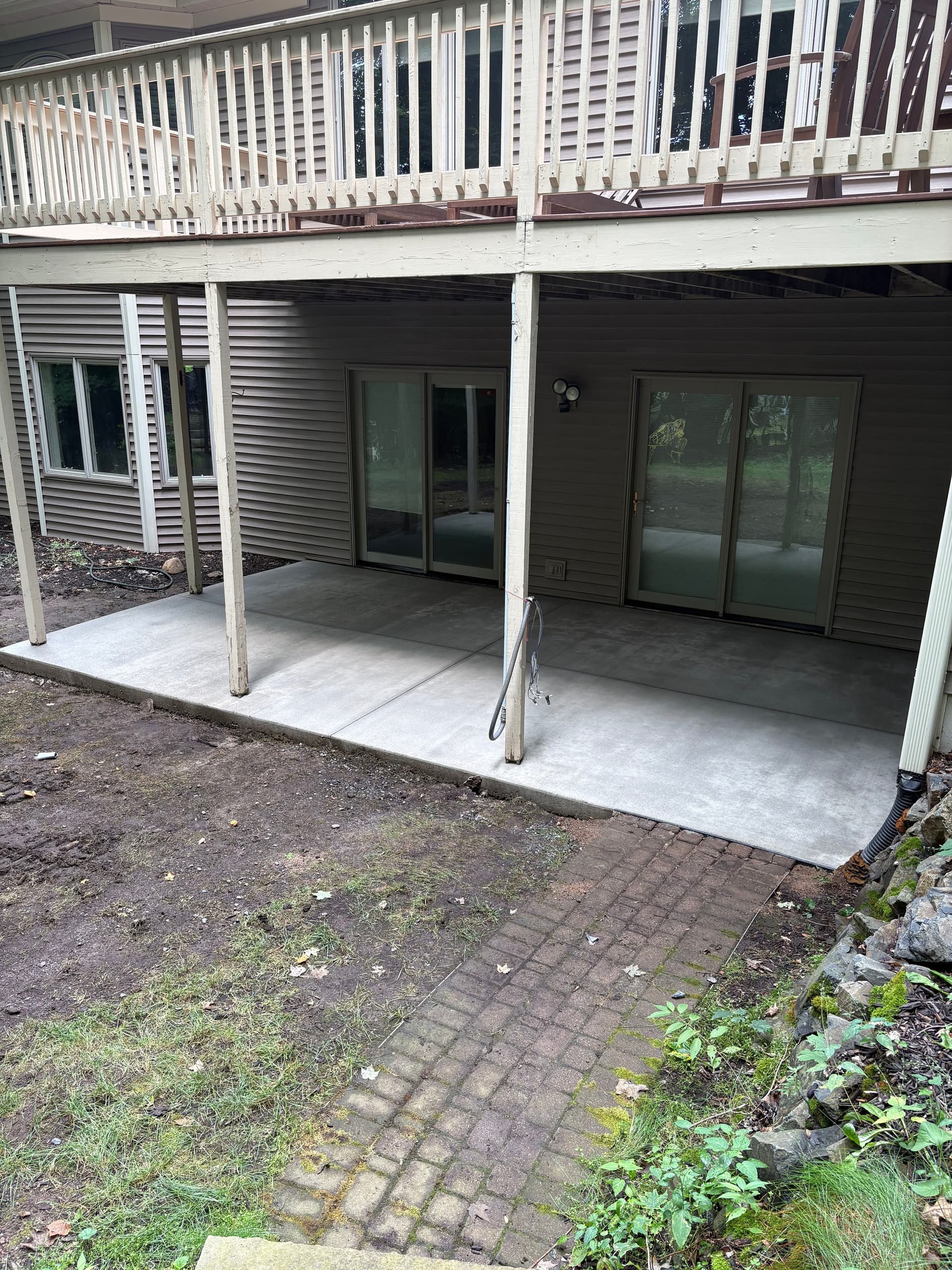
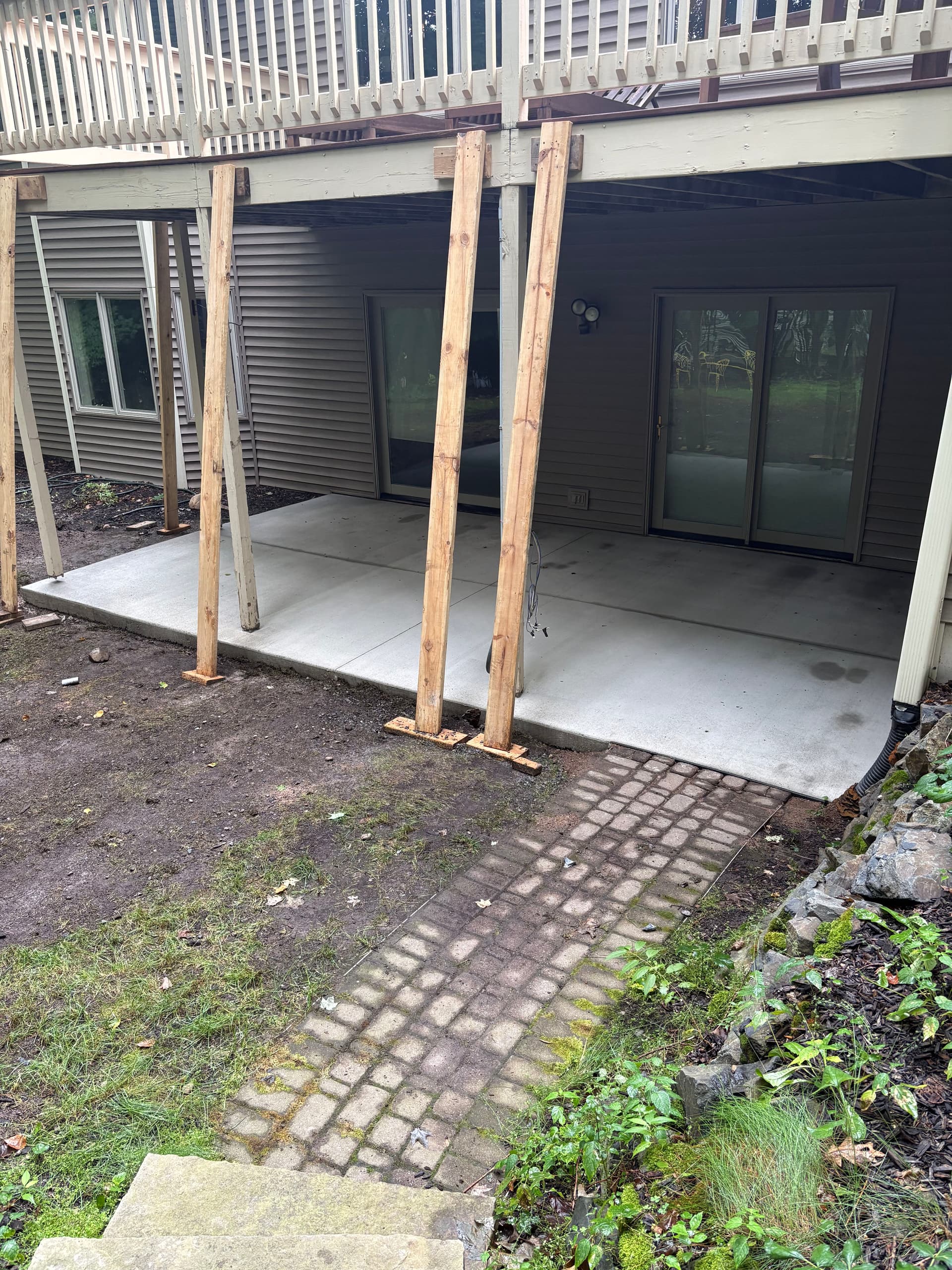
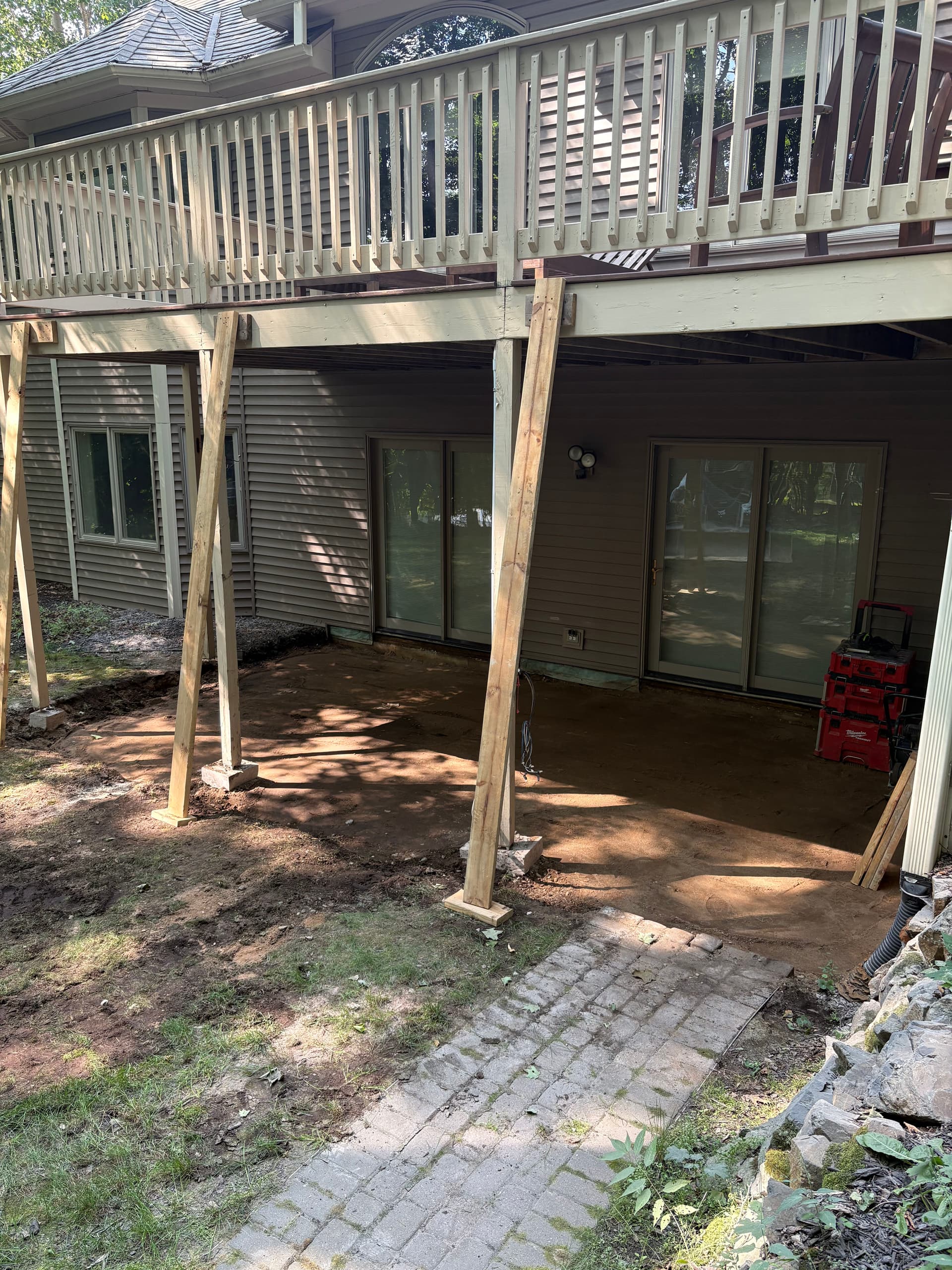
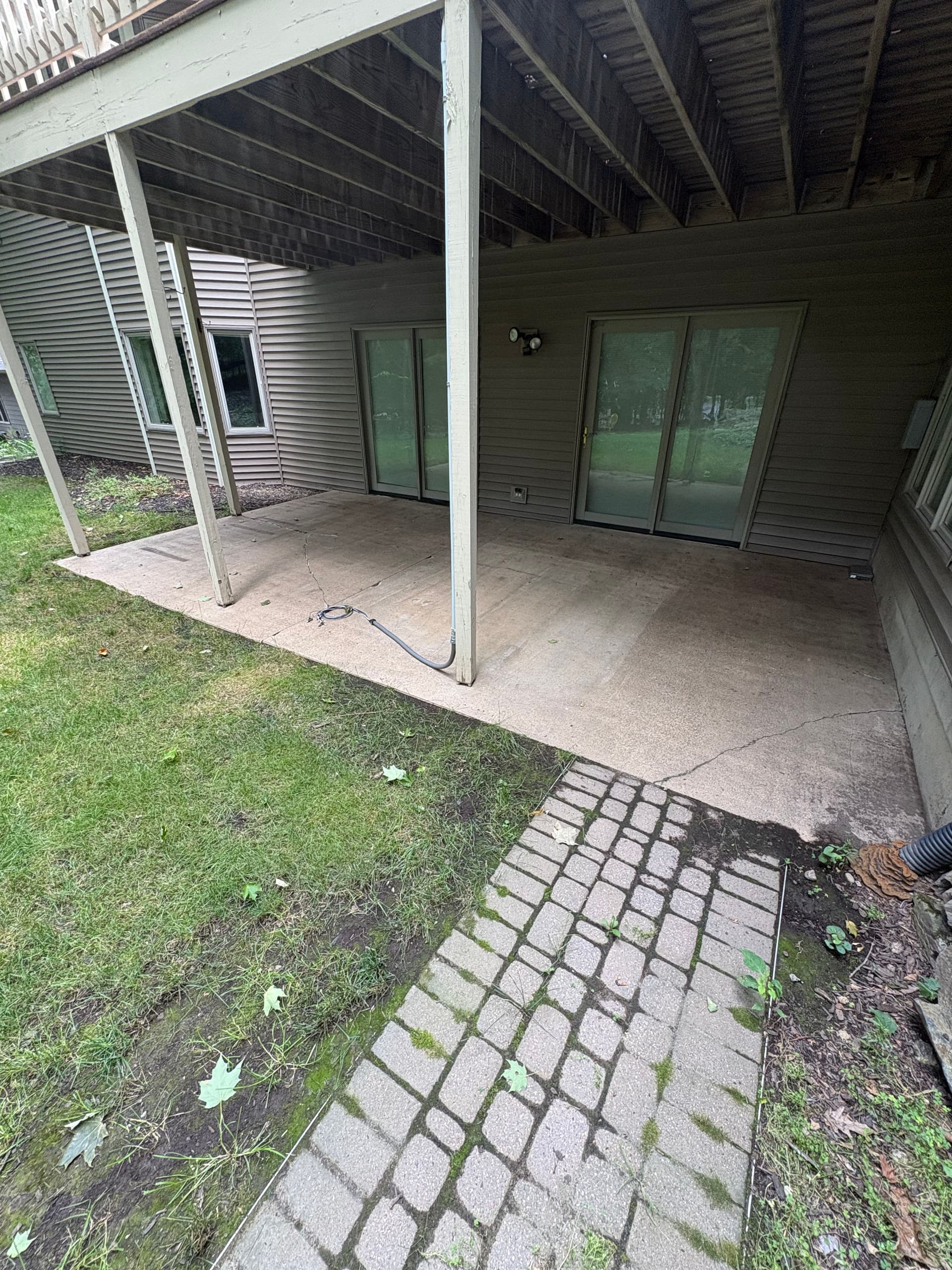
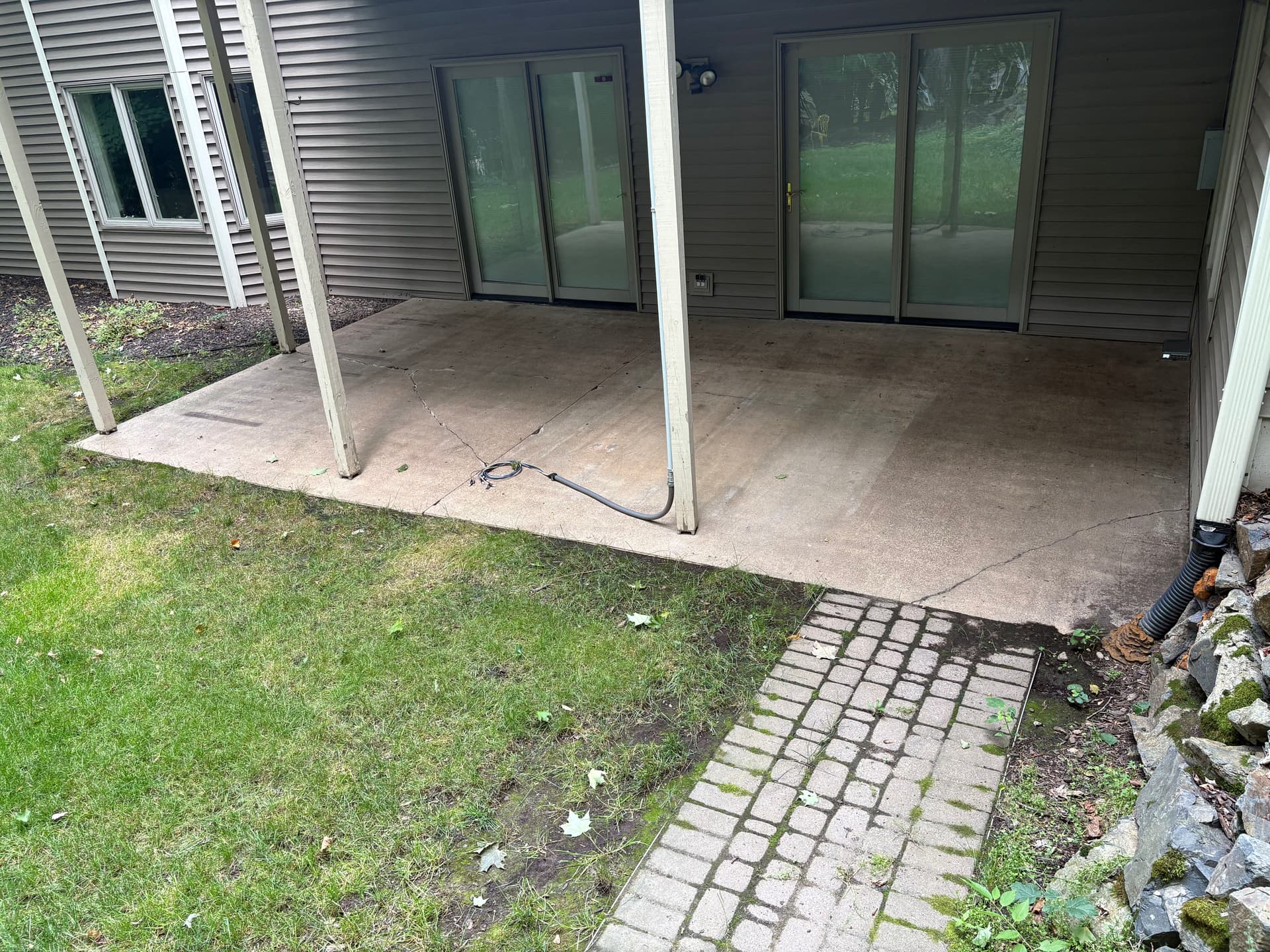
Here's what we were working with - an old patio slab that had seen better days. Visible cracks running across the surface, worn-out concrete that had lost its integrity, and a homeowner who needed something that could handle serious weight. A hot tub, a cold tub, and the deck structure above. That's not a job for a standard pour.
So we tore out the old slab and started fresh. The new patio was poured at 5 inches thick - that extra depth is what gives the slab the load-bearing strength it needs. When you're setting heavy water-filled equipment on a patio, thickness matters. So does proper prep work underneath, which is exactly what we focused on before a single drop of concrete hit the ground.
What we ended up with is a clean, smooth concrete flatwork surface that runs wall to wall under the deck. No cracks. No compromise. The kind of solid base that the homeowner won't have to think about again for a long time. The finish is uniform and level, the edges are sharp, and it ties into the surrounding area cleanly.
The old slab had cracks that told the whole story - it wasn't built for what it was being asked to do. That's a common problem. A lot of patios get poured without thinking about what's going to live on them long-term. We plan for that upfront so the concrete we pour holds up under real conditions, not just ideal ones.
When the pour is done right the first time, you don't get callbacks. That's the standard we hold ourselves to on every concrete flatwork job, whether it's a simple backyard patio or a slab built to carry serious structural and equipment loads like this one.